
What Is BP (Hypertension)?
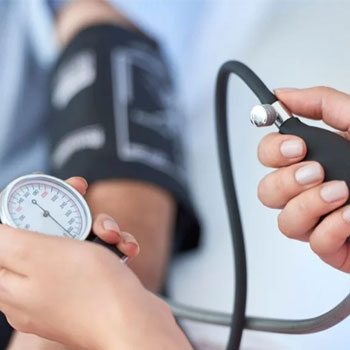
BP, also known as blood pressure, is the force of blood pushing against the walls of the arteries as the heart pumps blood throughout the body. When this pressure stays consistently higher than normal, it is called hypertension or high blood pressure.
Hypertension is one of the most common health conditions affecting adults worldwide. In many cases, people may not notice any symptoms during the early stages, which is why it is often referred to as a “silent condition.” Regular health checkups and blood pressure monitoring can help identify the problem early.
Understanding Blood Pressure Readings
Blood pressure is measured using two numbers:
- Systolic Pressure: The pressure when the heart beats and pumps blood.
- Diastolic Pressure: The pressure when the heart rests between beats.
A normal blood pressure level is generally considered to be around 120/80 mmHg. When the readings remain consistently above the recommended range, a person may be diagnosed with hypertension.
Common Causes of Hypertension
Several lifestyle and health-related factors may contribute to high blood pressure, including:
- High salt intake
- Lack of physical activity
- Stress and poor sleep habits
- Obesity or excess body weight
- Smoking and alcohol consumption
- Family history of hypertension
Age can also increase the risk of developing hypertension. However, younger adults may also experience high blood pressure due to unhealthy lifestyle patterns and stress-related factors.
Possible Symptoms
Many people with hypertension may not experience noticeable symptoms. In some situations, individuals may report:
- Headaches
- Dizziness
- Fatigue
- Shortness of breath
- Blurred vision
These symptoms can vary from person to person and should not be ignored if they occur frequently.
Why Blood Pressure Monitoring Matters
Keeping blood pressure within a healthy range is important for overall well-being. Long-term uncontrolled hypertension may place extra strain on the heart and blood vessels. Regular monitoring, healthy food choices, physical activity, stress management, and routine medical consultations can help support better blood pressure control.
If you have concerns about your blood pressure levels or experience repeated symptoms related to hypertension, consulting a qualified healthcare professional can help you understand your condition and guide you toward appropriate care and lifestyle changes.