
What is General Surgery?
General Surgery is a medical specialty that focuses on the diagnosis, surgical treatment, and management of a wide range of health conditions affecting different parts of the body. A general surgeon is trained to perform operations related to the abdomen, digestive system, skin, soft tissues, hernias, thyroid gland, gallbladder, appendix, and various emergency surgical conditions. General surgery also includes pre-operative evaluation, surgical procedures, and post-operative care to support patient recovery.
General surgeons play an important role in hospitals and healthcare centers because they manage both planned surgeries and emergency operations. Their work often involves treating conditions that cannot be managed effectively through medicines alone. They are trained to evaluate symptoms, identify the underlying cause of a condition, and determine whether surgery is necessary for treatment.
Role of a General Surgeon
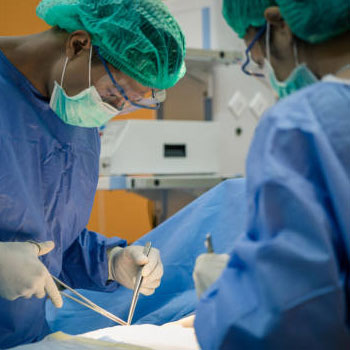
A general surgeon is responsible for assessing patients with surgical problems and providing suitable treatment options. The surgeon carefully studies the patient’s medical history, physical condition, laboratory reports, and imaging tests before planning any surgical procedure. In many situations, surgery is performed to remove diseased tissue, repair damaged organs, or improve the normal functioning of the body.
General surgeons also monitor patients during the recovery period after surgery. This includes wound care, pain management, infection prevention, and guidance on diet and physical activity. Their expertise helps patients recover safely and return to normal daily activities as early as possible.
Conditions Commonly Treated in General Surgery
General surgery covers a broad range of medical conditions. Some of the most common problems treated by general surgeons include appendicitis, gallstones, hernias, piles, fissures, abscesses, breast lumps, thyroid disorders, intestinal problems, and soft tissue swellings. Emergency conditions such as abdominal injuries, intestinal obstruction, or severe infections may also require immediate surgical treatment.
Certain digestive system conditions are frequently managed by general surgeons. These may involve the stomach, small intestine, colon, rectum, liver, gallbladder, or pancreas. In some cases, surgery may be recommended when symptoms become severe or when non-surgical treatment does not provide sufficient relief.
Types of Surgical Procedures
General surgery includes both minor and major surgical procedures. Minor procedures are usually simple treatments performed with minimal recovery time. Examples include removal of cysts, abscess drainage, or treatment of small skin lesions. Major surgeries may involve operations inside the abdomen or treatment of more complex medical conditions.
Many surgeries are performed using minimally invasive techniques. In these procedures, small cuts are made instead of large incisions. Specialized instruments and a camera are used to perform the operation with greater precision. These techniques may help reduce pain, shorten hospital stay, and support faster recovery for suitable patients.
Appendix Surgery
One of the most common emergency surgeries performed in general surgery is appendix removal. The appendix is a small organ attached to the large intestine. When it becomes inflamed, the condition is called appendicitis. Symptoms may include severe abdominal pain, fever, nausea, and loss of appetite. If untreated, the appendix may rupture and lead to serious complications. Surgery is usually recommended to remove the inflamed appendix safely.
Gallbladder Surgery
Gallbladder problems are another common reason for surgical treatment. Gallstones may block the flow of bile and cause abdominal pain, bloating, vomiting, or infection. In many cases, surgeons perform gallbladder removal surgery to prevent repeated attacks and complications. This procedure is commonly done using minimally invasive methods.
Hernia Treatment
A hernia occurs when an internal organ or tissue pushes through a weak area in the surrounding muscle wall. Hernias commonly develop in the abdomen or groin region. Symptoms may include swelling, discomfort, heaviness, or pain while lifting objects or coughing. Surgery is considered the most effective treatment for hernias because it repairs the weakened area and helps prevent complications.
Importance of Early Surgical Evaluation
Early evaluation by a general surgeon can help identify surgical conditions before they become severe. Some people ignore symptoms such as persistent abdominal pain, swelling, digestive discomfort, or unexplained lumps. Delaying treatment may increase the risk of complications and make recovery more difficult. Timely consultation and proper diagnosis can support better treatment planning and improved health outcomes.
General surgeons work closely with other healthcare professionals to provide complete patient care. Depending on the condition, coordination with physicians, radiologists, anesthesiologists, and other specialists may be necessary for accurate diagnosis and effective treatment.
Recovery After Surgery
Recovery time after surgery depends on the type of procedure, the patient’s overall health, and the complexity of the condition. Some patients recover within a few days, while others may require a longer healing period. Following medical advice carefully after surgery is important for smooth recovery.
Patients are usually advised about wound care, medications, dietary precautions, physical activity, and follow-up visits. Proper rest, hydration, balanced nutrition, and avoiding strain on the body can support healing after surgery.
General Surgery is an essential branch of healthcare that focuses on the surgical treatment of many common and emergency medical conditions. General surgeons are trained to diagnose surgical problems, perform procedures safely, and provide complete care before and after surgery. From appendicitis and gallstones to hernias and abdominal conditions, general surgery plays a significant role in improving patient health and quality of life.
Understanding the importance of general surgery can help people recognize when surgical evaluation may be necessary. Early diagnosis, timely treatment, and proper post-operative care are important steps toward better recovery and long-term wellbeing.