
What Is Dengue Fever?
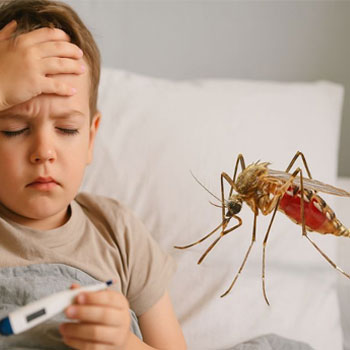
Dengue fever is a mosquito-borne viral infection that can affect children and adults. It spreads through the bite of an infected Aedes mosquito, which usually bites during the daytime. In children, dengue may start like a common viral fever, but careful monitoring is important because symptoms can change quickly.
Common Symptoms of Dengue Fever
Dengue fever usually begins with sudden high fever. A child may also have severe headache, pain behind the eyes, body pains, joint pain, nausea, vomiting, tiredness, skin rash, or poor appetite. Some children may look weak, irritable, or less active than usual.
When Should Parents Be Alert?
Parents should watch closely, especially when fever starts reducing, because warning signs can appear during this stage. Seek medical care immediately if the child has severe stomach pain, repeated vomiting, bleeding from nose or gums, blood in vomit or stool, breathing difficulty, extreme sleepiness, restlessness, cold hands and feet, or reduced urine output.
Why Dengue Needs Early Attention
Most dengue cases improve with proper rest, fluids, and medical monitoring. However, some cases can become serious due to dehydration, bleeding risk, or low platelet count. Early consultation helps doctors assess the child’s condition, advise suitable blood tests, and monitor recovery safely.
Care Tips for Dengue Fever
Give plenty of fluids such as water, oral rehydration solution, coconut water, or soups as advised. Let the child rest well and monitor temperature regularly. Use only doctor-recommended fever medicine. Avoid self-medication, especially aspirin or ibuprofen, as they may increase bleeding risk in dengue.
How to Prevent Dengue
Preventing mosquito bites is the best protection. Remove stagnant water from buckets, flowerpots, tyres, coolers, and open containers. Use mosquito nets, window screens, safe repellents, and full-sleeve clothing for children. Keeping the surroundings clean reduces mosquito breeding and helps protect the whole family.
Final Note
If your child has high fever with body pains, vomiting, rash, or unusual weakness, do not ignore it. Timely medical guidance can help detect dengue early and prevent complications.