
What Is Pulmonology?
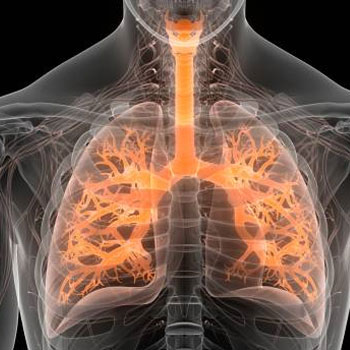
Pulmonology is a branch of medicine that focuses on the health of the respiratory system. The respiratory system includes the lungs, airways, windpipe, diaphragm, and other organs involved in breathing. Specialists in this field diagnose, manage, and monitor conditions that affect breathing and lung function. A doctor who practices pulmonology is commonly known as a pulmonologist or chest specialist.
Healthy lungs are essential for delivering oxygen to the body and removing carbon dioxide. When the respiratory system does not work properly, daily activities such as walking, sleeping, exercising, or even talking can become difficult. Pulmonology plays an important role in identifying breathing-related disorders and helping individuals maintain better respiratory health.
Why Is Pulmonology Important?
Breathing is a continuous and necessary body function. Any issue affecting the lungs or airways can reduce oxygen supply and impact overall well-being. Pulmonology helps in understanding respiratory symptoms, evaluating lung function, and identifying the causes behind chronic or sudden breathing problems.
Environmental pollution, smoking, dust exposure, seasonal infections, allergies, and lifestyle habits can all affect lung health. Pulmonology focuses on recognizing these factors and providing appropriate medical guidance to manage respiratory conditions effectively.
What Does a Pulmonologist Treat?
Pulmonologists evaluate a wide range of conditions related to the respiratory system. Some common lung and breathing disorders include:
- Asthma
- Chronic cough
- Chronic obstructive pulmonary disease (COPD)
- Bronchitis
- Lung infections
- Pneumonia
- Sleep-related breathing disorders
- Allergic respiratory conditions
- Shortness of breath
- Tuberculosis
- Interstitial lung diseases
- Smoking-related lung problems
Pulmonologists may also work with other healthcare specialists when respiratory symptoms are connected to heart disease, autoimmune conditions, or long-term infections.
Common Symptoms That May Require Pulmonology Evaluation
People often ignore breathing difficulties until symptoms become severe. However, early evaluation can help identify underlying lung conditions before complications develop. Some symptoms that may require consultation with a pulmonology specialist include:
- Persistent cough lasting several weeks
- Difficulty breathing during normal activities
- Chest tightness or wheezing
- Frequent respiratory infections
- Noisy breathing
- Coughing with mucus regularly
- Snoring with daytime tiredness
- Breathing discomfort during sleep
- Reduced exercise tolerance
- Unexplained fatigue related to breathing issues
These symptoms can occur due to different respiratory conditions, and proper medical evaluation helps determine the exact cause.
How Pulmonology Evaluations Are Performed
Pulmonologists use different methods to assess lung health and breathing patterns. The evaluation process usually begins with understanding the patient's medical history, lifestyle habits, occupational exposure, and current symptoms.
Several tests may be recommended depending on the condition being evaluated. Common respiratory assessments include:
- Physical examination of the chest and breathing sounds
- Pulmonary function tests
- Chest X-rays
- CT scans of the chest
- Oxygen level assessment
- Sleep studies for breathing-related sleep disorders
- Sputum analysis
- Bronchoscopy in selected situations
These investigations help identify airway narrowing, infections, inflammation, reduced lung capacity, or other respiratory abnormalities.
Understanding Lung Health
The lungs work continuously throughout the day and night. Maintaining healthy lungs is important for overall physical function and energy levels. Lung health can be affected by indoor pollution, smoking, industrial exposure, dust, poor air quality, and repeated respiratory infections.
Simple lifestyle measures can support respiratory wellness. Avoiding smoking, reducing exposure to pollutants, maintaining physical activity, staying hydrated, and following good hygiene practices may help support healthy breathing.
People with long-term respiratory symptoms should not ignore warning signs such as wheezing, chest discomfort, or breathing difficulty. Timely medical consultation may help in identifying the underlying condition and improving quality of life.
Pulmonology and Sleep-Related Breathing Disorders
Pulmonology also includes the evaluation of breathing problems that occur during sleep. Some individuals experience interrupted breathing patterns, loud snoring, or poor sleep quality due to airway-related conditions. These disorders can lead to daytime tiredness, concentration difficulties, and reduced sleep quality.
Sleep-related breathing conditions are commonly assessed using overnight sleep studies. Proper evaluation helps determine whether the issue is linked to airway obstruction or other respiratory concerns.
Who May Benefit From Pulmonology Care?
Individuals of different age groups may require pulmonology evaluation depending on their symptoms and medical history. People who smoke, work in dusty environments, experience repeated respiratory infections, or have chronic breathing difficulties may benefit from respiratory assessment.
People living in highly polluted urban environments may also develop respiratory irritation over time. Monitoring lung health becomes especially important for individuals exposed to smoke, chemicals, industrial fumes, or allergens regularly.
Importance of Early Respiratory Evaluation
Respiratory conditions can gradually affect daily life if symptoms are neglected. Early assessment helps identify breathing disorders before they become more severe. Persistent cough, wheezing, breathlessness, or recurring chest infections should not be ignored.
Pulmonology focuses on understanding respiratory symptoms, improving lung function, and supporting long-term breathing health through proper medical evaluation and management strategies.
Pulmonology is a medical specialty dedicated to the diagnosis and management of respiratory system disorders. It focuses on maintaining healthy lung function and addressing breathing-related concerns that can affect everyday life. From chronic cough and asthma to sleep-related breathing issues and lung infections, pulmonology plays a vital role in respiratory care.
Understanding the importance of lung health and seeking timely medical attention for persistent breathing symptoms can help support better respiratory well-being and overall quality of life.