
What Is TB? Understanding Tuberculosis
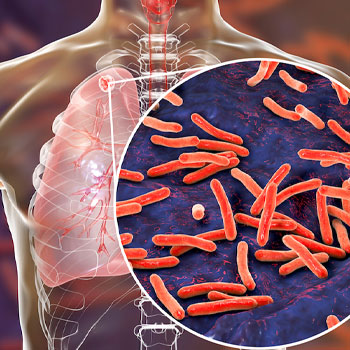
Tuberculosis, commonly called TB, is an infectious disease caused by bacteria known as Mycobacterium tuberculosis. TB mainly affects the lungs, but it can also affect other parts of the body such as the lymph nodes, bones, kidneys, spine, or brain. When TB affects the lungs, it is called pulmonary tuberculosis.
How Does TB Spread?
TB spreads through the air when a person with active lung TB coughs, sneezes, speaks, or spits. People nearby may breathe in the bacteria and become infected. TB does not spread by touching, sharing food, shaking hands, or using the same clothes.
Common Symptoms of TB
The symptoms of tuberculosis may develop slowly. Common signs include a cough lasting more than two weeks, fever, night sweats, weight loss, tiredness, chest pain, and coughing up blood in some cases. TB outside the lungs may cause symptoms depending on the affected body part.
Latent TB and Active TB
There are two main types of TB infection. In latent TB, the bacteria remain in the body but do not cause symptoms and cannot spread to others. In active TB, the bacteria multiply and cause illness. Active TB can spread to other people, especially when it affects the lungs.
Who Is at Higher Risk?
TB can affect anyone, but the risk is higher in people with weak immunity, close contact with a TB patient, poor nutrition, diabetes, HIV infection, smoking habits, or crowded living conditions. Early testing is important if symptoms are present or exposure has occurred.
Diagnosis of Tuberculosis
Doctors may recommend tests such as sputum examination, chest X-ray, TB skin test, blood test, or molecular tests to confirm tuberculosis. The right test depends on symptoms, medical history, and the suspected site of infection.
Why Early Detection Matters
TB is a serious disease, but it can be managed effectively when detected early and treated properly. Delayed diagnosis may increase health risks and may also allow the infection to spread to others.
If you have a long-lasting cough, fever, unexplained weight loss, or night sweats, consult a qualified healthcare professional for proper evaluation and guidance.