
What Is Fatigue?
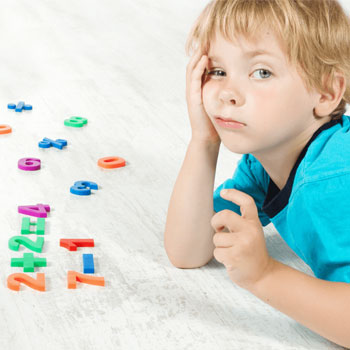
Fatigue is a feeling of extreme tiredness, low energy, or lack of motivation that does not always improve with normal rest. In children, fatigue may look different from adults. A child may seem unusually sleepy, less playful, slow in daily activities, or unable to concentrate at school.
Common Signs of Fatigue in Children
Fatigue can affect both the body and mind. Some children may complain of weakness, body pains, headaches, dizziness, or feeling tired even after sleep. Others may become irritable, lose interest in games, avoid physical activity, or struggle to complete homework.
What Causes Fatigue?
Many simple reasons can cause tiredness in children. Lack of sleep, poor eating habits, dehydration, too much screen time, stress, irregular routines, or heavy school schedules may lead to fatigue. Sometimes, fatigue may also happen after fever, cough, cold, stomach infection, or other illness.
When Should Parents Be Careful?
Parents should not ignore fatigue if it continues for many days, becomes worse, or affects school, play, appetite, or sleep. Warning signs include weight loss, repeated fever, pale skin, breathing difficulty, fast heartbeat, fainting, swelling, severe weakness, or loss of interest in regular activities.
How Can Fatigue Be Managed?
A healthy routine can help in many cases. Children need proper sleep, nutritious food, enough water, outdoor play, and limited screen time. Regular meal timings and a calm bedtime routine can also improve energy levels. Avoid giving medicines or supplements without medical advice.
Consult a Child Health Specialist
If your child is frequently tired or not behaving as usual, consult a qualified child health specialist. Early evaluation helps identify the reason and guide the right care. Fatigue may be simple, but persistent tiredness should always be checked with proper attention.