
What Is Obstetrics & Gynaecology?
Obstetrics and Gynaecology is a specialized branch of medicine focused on women’s health, pregnancy care, reproductive health, and conditions related to the female reproductive system. It combines two important medical fields: obstetrics, which deals with pregnancy and childbirth, and gynaecology, which focuses on the diagnosis, treatment, and prevention of disorders affecting women’s reproductive organs.
This medical specialty plays a vital role in supporting women through different stages of life, including adolescence, reproductive years, pregnancy, and menopause. Obstetricians and gynaecologists provide preventive care, routine health screenings, diagnosis of reproductive health issues, and guidance related to women’s wellness.
Understanding Obstetrics
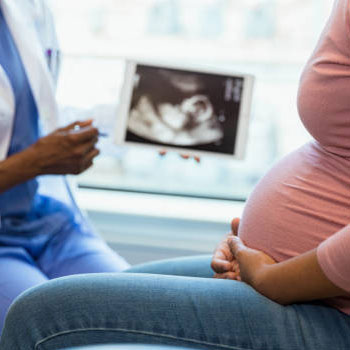
Obstetrics is the branch of medicine that concentrates on pregnancy, prenatal care, childbirth, and postnatal recovery. Obstetric specialists monitor both the mother and baby throughout pregnancy to help ensure healthy development and safe delivery.
Pregnancy care usually involves regular health checkups, monitoring fetal growth, nutritional guidance, and management of pregnancy-related concerns. Obstetric care is important for identifying potential complications early and providing suitable medical support when necessary.
Obstetricians also guide expecting mothers about healthy lifestyle habits during pregnancy. This may include advice regarding nutrition, physical activity, rest, and routine medical evaluations. Prenatal care helps monitor the well-being of both mother and child during every stage of pregnancy.
During childbirth, obstetric specialists manage labor and delivery while focusing on maternal and newborn safety. After delivery, postnatal care supports recovery and helps address physical and emotional changes experienced after childbirth.
Understanding Gynaecology
Gynaecology is the area of medicine dedicated to the health of the female reproductive system. It focuses on the uterus, ovaries, fallopian tubes, cervix, vagina, and breasts. Gynaecologists diagnose and manage a wide range of women’s health conditions and also provide preventive care services.
Women may consult a gynaecologist for routine health examinations, menstrual concerns, hormonal changes, pelvic pain, fertility-related issues, menopause management, or infections affecting reproductive health.
Regular gynaecological checkups are important for maintaining reproductive health and identifying medical conditions at an early stage. These visits often include physical examinations, health discussions, and screenings based on individual needs and age groups.
Gynaecology also supports women in understanding changes that occur naturally during different phases of life. From puberty to menopause, proper medical guidance helps women make informed decisions about their health and well-being.
Difference Between Obstetrics and Gynaecology
Although obstetrics and gynaecology are closely connected, they focus on different aspects of women’s healthcare.
Obstetrics mainly deals with pregnancy-related care, childbirth, and postpartum support. Gynaecology focuses on the diagnosis and treatment of conditions affecting the female reproductive system, regardless of pregnancy.
Most specialists are trained in both areas and are commonly referred to as OB-GYN doctors. This combined expertise allows them to provide complete healthcare services for women across various stages of life.
Importance of Women’s Healthcare
Women’s healthcare is essential for overall well-being and quality of life. Regular consultations with an obstetrician and gynaecologist can support preventive healthcare and help identify potential concerns early.
Many reproductive health conditions may not show obvious symptoms during the early stages. Routine examinations and screenings can help detect abnormalities before they become more serious. Preventive healthcare also encourages awareness about reproductive wellness and healthy lifestyle choices.
Women experience unique physical and hormonal changes throughout life. Proper medical guidance helps manage these changes while promoting physical and emotional health. Healthcare support during adolescence, pregnancy, and menopause contributes to long-term wellness.
Common Reasons to Visit an Obstetrician or Gynaecologist
Women may visit an obstetrician or gynaecologist for several reasons related to reproductive and general health. Some common situations include:
- Routine women’s health checkups
- Pregnancy care and prenatal monitoring
- Menstrual irregularities
- Pelvic discomfort or abdominal pain
- Family planning guidance
- Menopause-related concerns
- Hormonal imbalance symptoms
- Fertility evaluations
- Breast health examinations
- General reproductive wellness support
Seeking medical attention when symptoms appear can support timely diagnosis and appropriate management. Regular health evaluations are equally important even when no symptoms are present.
Role of Preventive Care in Obstetrics & Gynaecology
Preventive care is an important part of obstetrics and gynaecology. Routine screenings and regular health assessments help monitor reproductive health and identify potential concerns at an early stage.
Preventive healthcare may include pelvic examinations, cervical health screenings, breast evaluations, and discussions regarding menstrual and reproductive health. Lifestyle guidance related to nutrition, physical activity, and overall wellness may also be provided during consultations.
Early detection and awareness can support better health outcomes and help women maintain reproductive wellness throughout life.
Pregnancy Care and Maternal Health
Pregnancy is a significant phase in a woman’s life, and proper medical supervision is important throughout the journey. Obstetric care supports maternal health by monitoring fetal development, maternal well-being, and pregnancy progress.
Prenatal care appointments help track important health indicators and allow healthcare professionals to identify any changes that may require medical attention. Monitoring throughout pregnancy supports safe motherhood and healthy childbirth experiences.
Postnatal care is equally important after delivery. Recovery after childbirth may involve physical, emotional, and hormonal adjustments. Proper medical guidance during the postpartum period helps mothers receive the care and support they need.
Women’s Health Across Different Life Stages
Obstetrics and gynaecology services are valuable at every stage of a woman’s life. During adolescence, healthcare guidance may focus on menstrual health and physical development. In reproductive years, consultations may involve fertility, pregnancy planning, or preventive care.
As women approach menopause, hormonal changes can affect physical and emotional well-being. Gynaecological care during this stage helps women understand symptoms and maintain overall health.
Regular medical consultations also encourage awareness about lifestyle habits, reproductive health, and age-related changes that may affect women over time.
When Should Women Schedule Regular Checkups?
Routine women’s health checkups are recommended for maintaining reproductive wellness and overall health. Even in the absence of symptoms, regular visits to a qualified obstetrician and gynaecologist can help monitor changes and provide preventive healthcare guidance.
Women should consider scheduling medical consultations if they experience unusual symptoms such as irregular menstrual cycles, persistent pelvic pain, abnormal bleeding, or changes affecting reproductive health. Early medical attention supports proper evaluation and timely management.
Obstetrics and Gynaecology is an important medical specialty dedicated to women’s health, pregnancy care, and reproductive wellness. It combines pregnancy-related healthcare with the diagnosis and management of conditions affecting the female reproductive system.
From adolescence to motherhood and menopause, obstetricians and gynaecologists provide healthcare support tailored to different stages of life. Regular health checkups, preventive care, and awareness about reproductive health contribute to overall well-being and quality of life.
Understanding the role of obstetrics and gynaecology helps women make informed healthcare decisions and encourages proactive attention toward long-term wellness and reproductive health.