
What is Polycystic Ovary Syndrome?
Polycystic Ovary Syndrome, commonly known as PCOS, is a hormonal condition that affects many women during their reproductive years. It happens when the ovaries produce higher-than-normal levels of certain hormones, especially androgens. This hormonal imbalance can affect menstrual cycles, skin health, hair growth, weight, and ovulation.
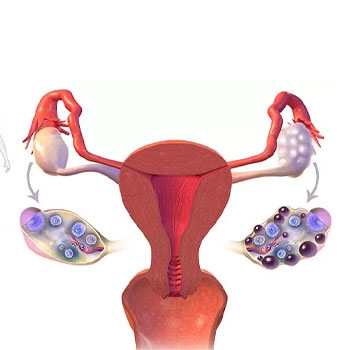
In PCOS, the ovaries may develop multiple small fluid-filled sacs called follicles. These are not harmful cysts, but they may be linked with irregular ovulation. Because ovulation does not happen regularly, periods may become irregular, delayed, or sometimes absent for several months.
Common Symptoms of PCOS
PCOS symptoms can vary from person to person. Some women may have mild symptoms, while others may notice several changes in their body. Common signs include irregular periods, acne, oily skin, excessive facial or body hair, hair thinning on the scalp, weight gain, difficulty losing weight, and dark patches on the skin, especially around the neck or underarms.
PCOS can also be associated with insulin resistance. This means the body may have difficulty using insulin properly, which can increase the risk of weight gain and blood sugar problems. Early diagnosis and proper lifestyle management can help reduce long-term health risks.
What Causes PCOS?
The exact cause of PCOS is not fully known. However, factors such as hormonal imbalance, insulin resistance, family history, and lifestyle may play a role. If a mother or sister has PCOS, the chances of developing it may be higher.
How is PCOS Diagnosed?
A doctor may diagnose PCOS based on symptoms, menstrual history, physical examination, blood tests, and ultrasound findings. Not every woman with PCOS will have visible ovarian follicles, and not every ovarian follicle means PCOS. A proper medical evaluation is important for accurate diagnosis.
Managing PCOS
PCOS can be managed with the right approach. Healthy eating, regular physical activity, weight management, proper sleep, and stress control can support hormonal balance. In some cases, doctors may suggest medicines to regulate periods, manage acne, reduce excess hair growth, or improve ovulation.
If you have irregular periods, sudden weight changes, acne, excess hair growth, or difficulty conceiving, consult a qualified gynecologist. Early care can help manage symptoms and protect long-term reproductive and metabolic health.