
What Is the Treatment for Premature and Underweight Babies?
Premature and underweight babies need special care because their organs, immunity, feeding ability, and body temperature control may still be developing. Treatment depends on the baby’s birth weight, gestational age, breathing condition, feeding capacity, and overall health.
Initial Care After Birth
After delivery, the baby is carefully assessed for breathing, heart rate, temperature, and activity. Some babies may need support to maintain normal oxygen levels. Doctors may place the baby in a warm incubator or radiant warmer to prevent heat loss.
Breathing Support
Premature babies may have immature lungs. Treatment may include oxygen therapy, CPAP support, or ventilator care when required. The goal is to help the baby breathe comfortably while reducing stress on the lungs.
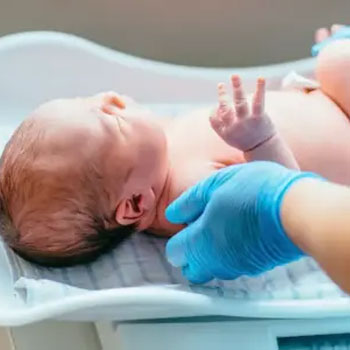
Feeding and Nutrition
Underweight babies often need planned nutrition to gain weight safely. Breast milk is usually preferred because it supports immunity and growth. If the baby cannot suck properly, milk may be given through a feeding tube. In some cases, IV fluids or special nutritional support may be needed.
Temperature Maintenance
Low birth weight babies can lose body heat quickly. Incubator care, skin-to-skin contact, warm clothing, and controlled room temperature help maintain healthy body warmth and prevent complications.
Infection Prevention
Premature babies have lower immunity, so hygiene is very important. Hand washing, limited visitors, clean feeding practices, and careful monitoring help reduce infection risk. If infection is suspected, doctors may advise tests and medicines.
Monitoring Growth and Development
Regular checks are important to track weight gain, feeding improvement, jaundice, breathing pattern, blood sugar, and overall development. Eye, hearing, and neurological assessments may also be advised based on the baby’s condition.
When to Seek Immediate Care
Parents should seek urgent medical help if the baby has poor feeding, fast breathing, bluish lips, fever, low temperature, repeated vomiting, unusual sleepiness, seizures, or reduced activity.
Treatment for premature and underweight babies focuses on warmth, breathing support, safe feeding, infection prevention, and continuous monitoring. Early hospital care and regular follow-up help improve growth, strength, and long-term health outcomes.