
What is Malaria?
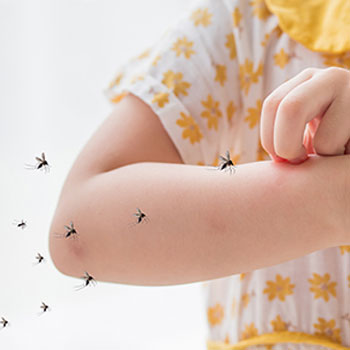
Malaria is a serious infection caused by parasites that spread to humans through the bite of an infected female Anopheles mosquito. It is common in many tropical and rainy-season areas, especially where mosquito breeding is high. Malaria can affect people of all ages, but young children need extra attention because symptoms may worsen quickly if not treated early.
How Malaria Spreads
Malaria does not usually spread from person to person like a cold or cough. It spreads when a mosquito bites a person already infected with malaria and then bites another person. The parasite enters the bloodstream and affects red blood cells, leading to fever and weakness.
Common Symptoms of Malaria
The symptoms of malaria may appear a few days or weeks after a mosquito bite. Common signs include high fever, chills, sweating, headache, body pains, tiredness, vomiting, poor appetite, and stomach discomfort. In children, malaria may also cause irritability, sleepiness, refusal to eat, or repeated fever episodes.
When to Seek Medical Care
Fever during mosquito season should not be ignored. Immediate medical care is important if a child has high fever, repeated vomiting, extreme weakness, fast breathing, fits, confusion, yellow eyes, dark urine, or reduced urination. Early testing helps confirm malaria and prevents complications.
Diagnosis and Treatment
Malaria is diagnosed through blood tests that detect the parasite. Treatment depends on the type of malaria, age, weight, symptoms, and overall health condition. Medicines should be taken only as advised by a qualified doctor. Completing the full course is important, even if fever improves earlier.
How to Prevent Malaria
Prevention focuses on avoiding mosquito bites and stopping mosquito breeding. Use mosquito nets, window screens, full-sleeve clothing, and doctor-approved repellents. Remove stagnant water from buckets, flowerpots, coolers, tyres, and open containers. Keeping surroundings clean can reduce mosquito growth.
Why Awareness Matters
Malaria can be treated effectively when detected early. Parents and caregivers should watch fever patterns carefully, especially during the rainy season. Timely consultation, proper testing, and preventive steps can protect children from severe illness and help them recover safely.