
What Are Thyroid Problems?
Thyroid problems occur when the thyroid gland does not produce the right amount of thyroid hormones. The thyroid is a small, butterfly-shaped gland located in the front of the neck. It plays an important role in controlling metabolism, energy levels, body temperature, heart rate, weight balance, and overall body function.
When the thyroid gland becomes underactive or overactive, it can affect daily health in many ways. An underactive thyroid is called hypothyroidism, where the body produces too little thyroid hormone. This may slow down body functions and lead to symptoms such as tiredness, weight gain, dry skin, constipation, hair fall, cold intolerance, low mood, and irregular periods in women.
An overactive thyroid is called hyperthyroidism, where the thyroid gland produces too much hormone. This may speed up body functions and cause symptoms such as weight loss, fast heartbeat, sweating, anxiety, hand tremors, increased appetite, sleep problems, and heat intolerance.
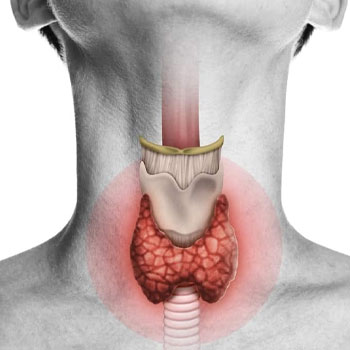
Thyroid problems may also include thyroid swelling, thyroid nodules, goiter, or autoimmune thyroid conditions. Some people may not notice clear symptoms in the early stages, which is why regular health checkups and thyroid function tests can help in early identification.
Common causes of thyroid problems include autoimmune disorders, iodine imbalance, family history, hormonal changes, certain medications, and inflammation of the thyroid gland. Thyroid issues are more commonly seen in women, but they can affect men and children as well.
Diagnosis is usually done through blood tests such as TSH, T3, and T4 levels. In some cases, doctors may suggest an ultrasound or additional tests depending on the symptoms and examination findings.
Thyroid problems are manageable when detected at the right time. Treatment depends on the type of thyroid condition, hormone levels, age, symptoms, and overall health. If you are experiencing unexplained weight changes, tiredness, neck swelling, mood changes, or irregular heartbeat, consult a qualified doctor for proper evaluation.
Understanding thyroid problems helps people take better care of their health and seek timely medical guidance. Early diagnosis and regular follow-up can support better long-term wellness.