
What Is Vomiting and Diarrhea?
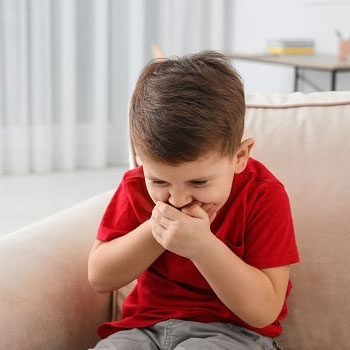
Vomiting and diarrhea are common health problems in children. Vomiting means forcefully throwing out stomach contents through the mouth. Diarrhea means passing loose, watery stools more often than usual. Both can happen together and may cause weakness, tiredness, stomach discomfort, and dehydration if not managed early.
Common Causes
Vomiting and diarrhea may occur due to stomach infections, contaminated food or water, food intolerance, indigestion, viral illness, or sudden changes in diet. In many cases, these symptoms are temporary, but careful observation is important, especially in young children.
Signs to Watch For
Children with vomiting and diarrhea may have stomach cramps, fever, reduced appetite, nausea, frequent watery stools, dry mouth, less urination, or unusual sleepiness. Dehydration is the main concern because the body loses water and salts quickly.
What Parents Can Do
Give small sips of clean water or oral rehydration solution frequently. Continue light, easy-to-digest foods if the child is willing to eat. Avoid oily foods, packaged juices, soft drinks, and spicy items. Do not give medicines without medical advice, especially for frequent loose motions or vomiting.
When to Consult a Doctor
Seek medical care if vomiting continues, diarrhea is frequent, fever is high, there is blood in stools, the child is very weak, not drinking fluids, passing very little urine, or showing signs of dehydration. Early care helps prevent complications and supports faster recovery.
Vomiting and diarrhea should not be ignored in children. Timely fluids, proper food, hygiene, and expert medical care can help protect your child’s health.